

Tooth pain can disrupt your daily life and signal a serious problem that needs immediate attention. Dr. Landon Lowell at Suncoast Dental Center specializes in root canal therapy to save your natural teeth and eliminate discomfort. Our practice uses advanced technology and a gentle approach to make this treatment as comfortable and successful as possible.
Root Canals
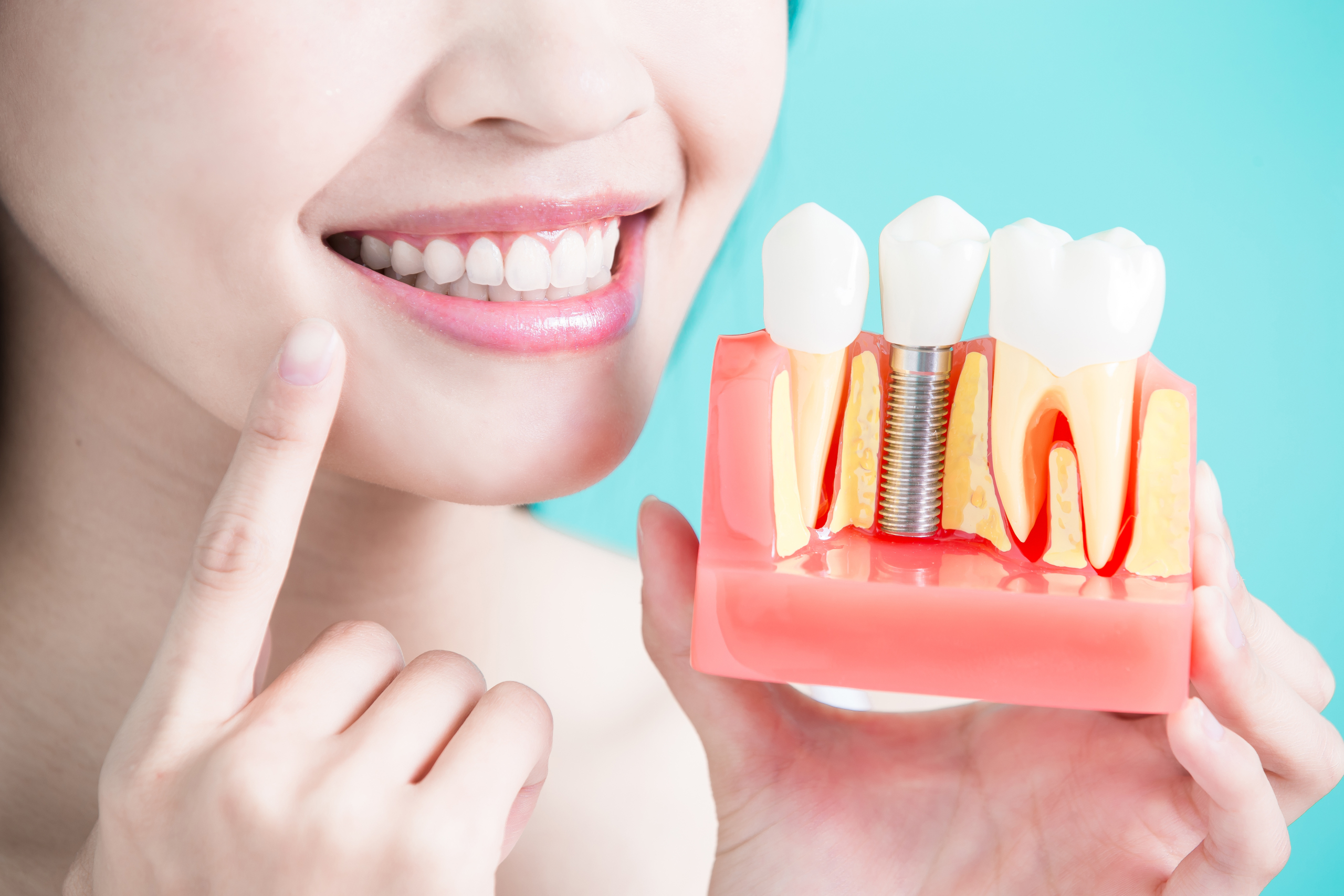
Understanding Root Canals
A root canal is a restorative dental procedure that removes infected or damaged pulp from inside a tooth. The pulp is soft tissue containing nerves, blood vessels, and connective tissue that helps teeth develop during childhood. Once a tooth reaches maturity, it can survive without the pulp, making it possible to remove this tissue and save the tooth structure. Deep cavities, cracks, fractures, or trauma can damage the pulp and allow bacteria to enter, leading to infection that causes severe pain, sensitivity, and abscesses. Several factors contribute to pulp damage that requires intervention, including deep decay that reaches the inner chamber, cracked or fractured teeth that expose the pulp to harmful bacteria, traumatic injuries from accidents or sports, and previous dental work that may weaken a tooth over time.

Benefits of Root Canal Therapy
At Suncoast Dental Center, the goal of every root canal is straightforward: remove the source of pain, protect the tooth, and get you back to feeling like yourself as quickly as possible. For most patients, saving a natural tooth is always the better long-term outcome, and root canal therapy is one of the most reliable ways to do exactly that.
Saves Your Natural Tooth From Extraction
Root canal therapy preserves your natural tooth structure, which is always the best option for maintaining oral health. Extracting a tooth creates gaps that cause neighboring teeth to shift out of position, leading to bite problems and difficulty chewing. Your natural tooth roots also stimulate the jawbone through daily activities like eating, preventing bone loss that can change your facial appearance over time.
Root Canal Treated Teeth Have a 74% to 94% Survival Rate Over 2 to 10 Years
Preserving a natural tooth with root canal therapy is one of the most reliable long-term investments in your oral health, with survival rates well established in peer-reviewed literature.
“The proportion of root canal-treated teeth surviving >2 to 10 y ranges from 74% to 94%.”
Source: Fransson et al. (2021), JDR Clinical & Translational Research – published via NIH/PubMed Central
Eliminates Pain and Restores Comfort
The infected pulp inside your tooth causes the throbbing pain, not the treatment itself. Root canal therapy removes this source of discomfort and allows your tooth to heal properly. Most patients experience immediate relief after the procedure, and any residual tenderness resolves within a few days as your body completes the healing process.
95% of Patients Were Relatively Comfortable During Root Canal Treatment
Clinical research consistently shows that modern root canal therapy is far more comfortable than many patients expect, with the majority experiencing little to no pain during the procedure itself.
Source: Polycarpou et al. (2005), International Endodontic Journal – published via PubMed/NIH
Prevents Spread of Infection to Other Areas
An untreated tooth infection doesn’t stay contained within one tooth. Bacteria can spread to surrounding teeth, gums, and even enter your bloodstream. This is particularly dangerous for patients with compromised immune systems, diabetes, or heart conditions who face higher risks from oral infections. Root canal treatment thoroughly disinfects the interior of your tooth, eliminating harmful bacteria and protecting your overall health.
Untreated Oral Infections Can Introduce Harmful Bacteria Into the Bloodstream and Worsen Systemic Conditions
A tooth infection that goes untreated does not stay localized, research confirms it can contribute to systemic inflammation and complicate existing health conditions including diabetes and cardiovascular disease.
Source: Alshammari et al. (2025), BMC Oral Health – published via NIH/PubMed Central
Provides Efficient Treatment With Minimal Downtime
Root canal procedures are completed in just one or two appointments, depending on the complexity of your case. You can return to your normal activities the next day, unlike tooth extractions that require longer healing periods and additional procedures to replace the missing tooth. The straightforward nature of this treatment means less time away from work, family, and the activities you enjoy.
Root Canal Treatment Is Usually Completed in One or Two Appointments, Similar to a Routine Filling
The American Association of Endodontists confirms that modern root canal treatment is far removed from its outdated reputation, typically requiring no more appointments than other common restorative procedures.
Source: American Association of Endodontists (AAE)
Maintains Natural Chewing Function and Strength
After your endodontic treatment and crown placement, your restored tooth functions just like your other natural teeth. You can bite and chew with normal force without worry. This allows you to continue enjoying all types of foods and prevents you from favoring one side of your mouth, which can lead to jaw problems and uneven wear on your remaining teeth.
Chewing Restoration After Root Canal Treatment Is One of the Strongest Predictors of Patient Satisfaction
Restoring the ability to chew comfortably and evenly is not just a functional goal, peer-reviewed research shows it is one of the most meaningful outcomes for patients who undergo root canal therapy.
Source: Alotaibi et al. (2025), Journal of International Society of Preventive and Community Dentistry
Risks of Delaying Root Canal Treatment
A tooth infection does not resolve on its own. Without treatment, the bacteria causing the problem continue to spread, and what begins as a manageable procedure can escalate into a far more serious and costly situation. The longer a root canal is delayed, the narrower the window becomes for saving the tooth at all.
Delaying Treatment Turns a Straightforward Procedure Into a Far More Expensive One
Root canal therapy is one of the most cost-effective ways to address a diseased tooth. The American Association of Endodontists notes that endodontic treatment and restoration of the natural tooth are generally less expensive than extraction followed by an implant or bridge. When treatment is delayed and the tooth becomes unsalvageable, patients face not just the cost of extraction but the additional and often significant expense of tooth replacement, costs that a timely root canal could have avoided entirely.
An Untreated Tooth Infection Can Spread Beyond the Mouth and Affect Your Overall Health
The bacteria driving a tooth infection do not stay contained to one tooth. Left untreated, infection can spread to surrounding bone, soft tissue, and in serious cases enter the bloodstream, creating complications that extend well beyond the mouth. For patients managing conditions like diabetes or heart disease, an unresolved oral infection carries an even higher risk of systemic impact, making timely treatment an important part of protecting overall health.
A Severely Infected Tooth Can Fracture or Become Unrestorable Before Treatment Is Sought
As infection progresses, it weakens the internal structure of the tooth and the surrounding bone. A tooth that has been compromised for too long may fracture under normal chewing forces or become too damaged to restore, leaving extraction as the only remaining option. Acting early gives Dr. Lowell the best chance to preserve the tooth intact and avoid an outcome that cannot be reversed.
Why Choose Us for Root Canals
Suncoast Dental Center has provided exceptional dental care to families in Naples since 1982, building a reputation for quality treatment and genuine patient relationships. Our CBCT 3D imaging technology gives our dentist a complete view of your tooth’s internal anatomy, revealing details that traditional X-rays miss and allowing for precise treatment planning. We operate an in-house dental lab with same-day crown milling capabilities, which means you won’t need temporary restorations or make multiple trips for your final crown.
Our team takes a fundamentally different approach to patient care by scheduling generous appointment times that allow for detailed explanations and gentle treatment without feeling rushed. One of our hygienists has built her career at our practice since 1984, and this remarkable longevity reflects the stable, experienced team that patients have come to trust over decades. Dr. Lowell personally evaluates every case and recommends only the treatments he would choose for his own family members, ensuring you receive honest guidance focused on your long-term oral health.


FAQs
What is a root canal?
A root canal is a dental procedure that removes infected or damaged pulp tissue from inside your tooth. The pulp contains nerves and blood vessels that can become infected due to deep decay, cracks, or trauma. By cleaning out this infected tissue, disinfecting the canals thoroughly, and sealing them with filling material, we save your natural tooth and eliminate the pain caused by infection.
How long does a root canal take?
Most procedures take between 60 to 90 minutes to complete, though the exact time depends on which tooth requires treatment and how many canals it has. Front teeth typically have one canal and take less time, while molars have multiple canals and may require a longer appointment. We schedule enough time so you never feel rushed, and Dr. Lowell focuses on being thorough rather than quick to ensure your tooth is properly treated.
Do root canals hurt?
Modern endodontic therapy is designed to relieve pain, not cause it. We use effective local anesthesia to completely numb the area before beginning treatment, so you shouldn’t feel pain during the procedure. Many patients report that getting this treatment feels similar to having a regular filling placed, and the relief from the infection-related pain is immediate and significant.
Are root canals bad for you?
Root canals are not bad for you. It’s a beneficial treatment that saves your natural tooth and prevents more serious health issues. Leaving an infected tooth untreated can lead to abscesses, bone loss, and the spread of infection to other areas of your body. This therapy eliminates the infection while preserving your tooth structure, which is always preferable to extraction and the complications that come with missing teeth.
How do you know if you need a root canal?
Common signs include persistent tooth pain that worsens with chewing or pressure, prolonged sensitivity to hot or cold temperatures, and swollen or tender gums near a specific tooth. You might also notice a small bump on your gum, darkening of the tooth, or an unpleasant taste in your mouth. Early treatment often leads to better outcomes, so contact our practice for an evaluation if you’re experiencing any of these symptoms.
Get Relief From Tooth Pain Today with a Root Canal
Root canal therapy eliminates the source of your pain while preserving your natural tooth, and early treatment significantly improves your healing experience and long-term results. Dr. Landon Lowell and our dedicated team at Suncoast Dental Center combine advanced diagnostic equipment with a compassionate approach that prioritizes your comfort throughout every step of treatment. Search for us on Google Maps to find easy directions to our office from wherever you are. Contact us at 239-566-2255 to schedule your dental evaluation, and connect with us on Facebook and Instagram to stay updated on dental health tips. Severe tooth pain deserves immediate attention, so don’t wait another day to get the expert care you need.
